In French Polynesia, a tattoo is never just decoration. It is a declaration of belonging — to a family, an island, a lineage, a set of values, and a way of understanding the world. The culture of tattooing here is not a trend imported from elsewhere; it is the original source from which the global fascination with body art ultimately flows. To get tattooed in Tahiti, the Marquesas, or any of the 118 islands of this vast archipelago is to enter a conversation that began long before any living person can remember, deeply rooted in Polynesian tattoo culture.
"It's a powerful moment... the story of my family. It’s not just a pattern, it’s a story of who I am, my heritage, and my family"
Jason Momoa
The Social Architecture of the Tattoo
Reading a Person's Story
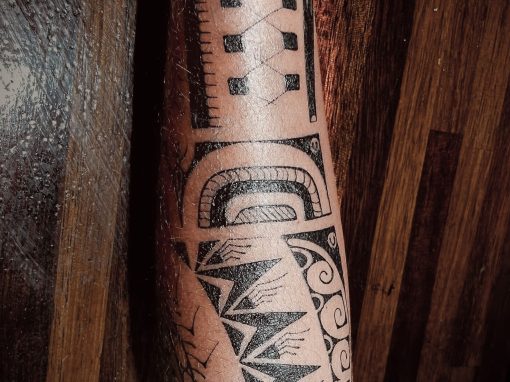
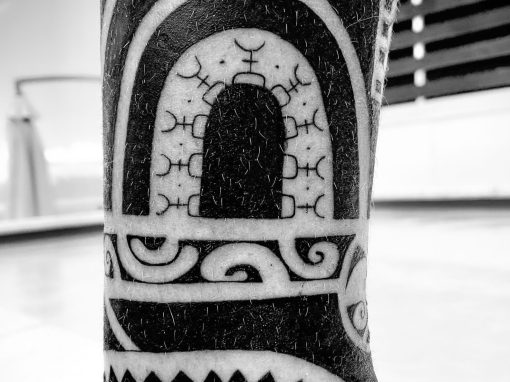
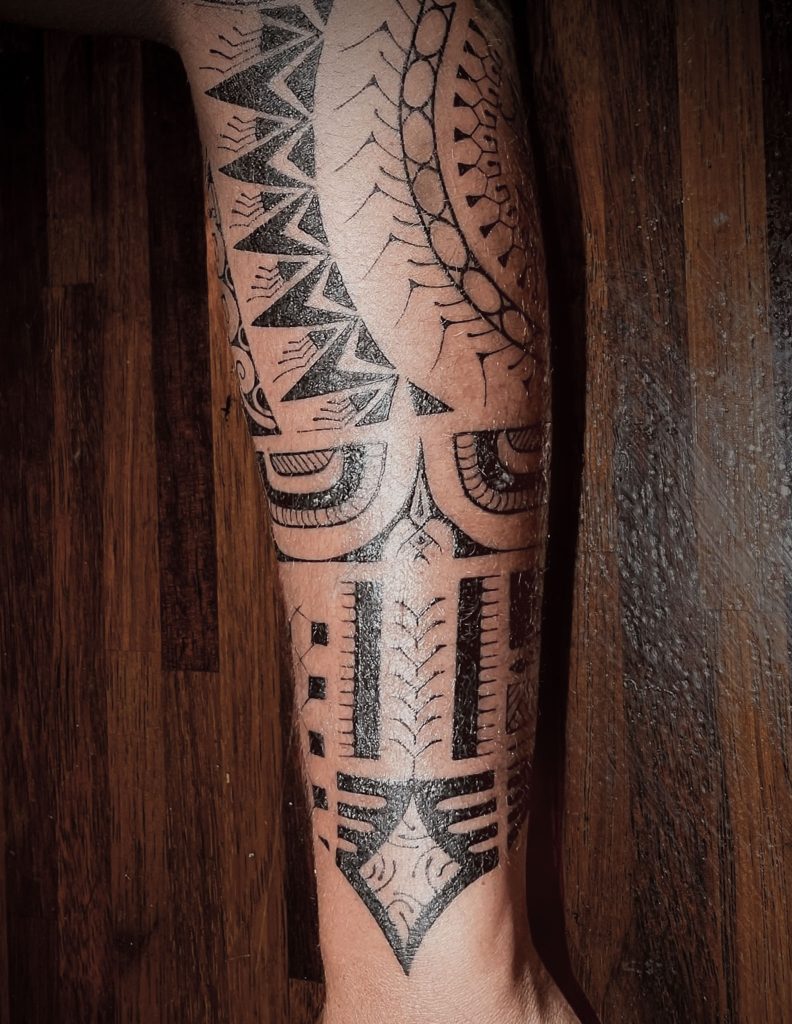
In traditional Polynesian society, a person's tattoos were essentially their biography written in permanent ink. The placement, density, and specific motifs all communicated precise information to those who could read them. A man's social rank, his achievements as a warrior or fisherman, his genealogical connections, his spiritual affiliations — all of this could be read from his skin as clearly as from any written record. Women were tattooed differently, with markings often concentrated on the hands, feet, and lips.
Mana and the Transfer of Power
Central to the Polynesian tattoo worldview is the concept of mana — a form of spiritual power or life force that flows through people, objects, and places. A skilled tahu'a ta tatau (tattoo master) was believed to be able to channel mana through the tattooing process, embedding protective and empowering energy into the recipient's skin. Getting tattooed was therefore not just a cosmetic choice but a spiritual transaction.
The Marquesas Islands: The Tattooed Heartland
Of all the islands in French Polynesia, the Marquesas (known locally as Fenua 'Enata) produced the most comprehensively tattooed people in the ancient world. Early European visitors — including the writer Herman Melville, who lived briefly among the Marquesans in 1842 — described men and women whose entire bodies, including faces, tongues, and eyelids, were covered in intricate geometric patterns. Melville's 1846 novel Typee drew extensively on these experiences and introduced Marquesan tattoo culture to the Western literary imagination.
The Ipu Hei: Full-Body Devotion
The ultimate expression of Marquesan tattooing was the ipu hei — the full-body tattoo achieved by the most dedicated individuals. This was not undertaken lightly; the process could take years, spread over multiple sessions, each accompanied by ritual, fasting, and spiritual preparation. The individual who achieved this total covering was considered to have elevated themselves to a state of heightened spiritual protection and social prestige.
Tahiti and the Contemporary Tattoo Scene
Papeete: The Beating Heart of Pacific Ink
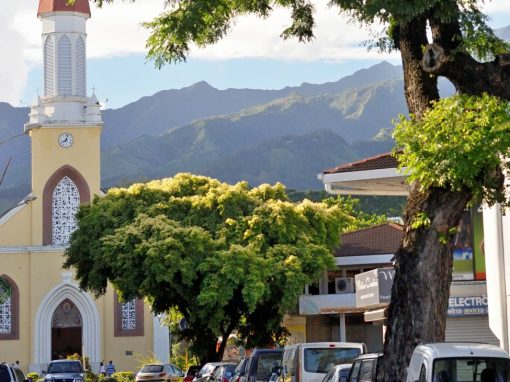
Today, Papeete — the capital of French Polynesia — is one of the most vibrant tattoo destinations in the Pacific. The city's studios range from small, intimate operations run by local artists steeped in traditional knowledge, to larger establishments that combine traditional motifs with contemporary techniques. The annual Tahiti Tattoo Festival, one of the largest gatherings of tattoo artists in the Pacific region, draws masters and enthusiasts from across the world, turning Papeete into a global crossroads of body art culture.
The Tahiti Tattoo Festival
Held annually at the To'ata open-air venue in Papeete, the Tahiti International Tattoo Festival brings together artists from Polynesia, New Zealand, Samoa, Hawaii, and beyond. It is both a competition and a celebration — a space where traditional knowledge is shared, debated, and honoured alongside contemporary innovation. For visitors, it is an extraordinary opportunity to witness the living tradition of Polynesian tattooing at its most concentrated and electric.
More info: https://www.tahiti-tourisme.pf
Gender, Identity, and the Modern Tattoo
In contemporary French Polynesia, tattooing cuts across gender lines in complex and evolving ways. Traditional distinctions between male and female tattoo placements and motifs persist in many communities, but they coexist with a more fluid modern understanding of body art as personal expression. For the Māhū — a recognized third gender in Polynesian society — tattooing has historically been a powerful site of identity formation, a tradition that continues in new forms today.
Choosing a Traditional Tattoo in Tahiti
The Consultation: More Than a Design Meeting
In a reputable Polynesian tattoo studio, the consultation process is not a simple transaction. A skilled Polynesian artist will ask about your life, your family, your aspirations, and your relationship to the Pacific. The tattoo design that emerges is a response to who you are — not a catalogue selection. This process, which can take as long as the tattoo itself, reflects the deep understanding that a tattoo carries meaning, and meaning requires conversation.
Respecting the Tradition
Visitors wishing to get a traditional Polynesian tattoo are encouraged to approach the process with genuine respect and openness. The most meaningful tattoos are those that are designed specifically for the individual, incorporating elements that have personal resonance rather than simply reproducing generic patterns. A good Polynesian tattoo artist in Papeete will guide you through this process, ensuring that what you carry home is truly yours — and truly authentic.
Good read: Top 5 Celebrities with Tribal Tattoos and What They Mean