Tattooing is older than writing, older than the wheel, and — as archaeologists continue to discover — older than almost anything we once thought defined civilisation. The human impulse to mark the body is as ancient as humanity itself, stretching back at least 5,000 years of confirmed archaeological evidence, and likely far beyond. This is the story of the world's first tattoos — who made them, why they made them, and what they tell us about the deepest layers of human identity.
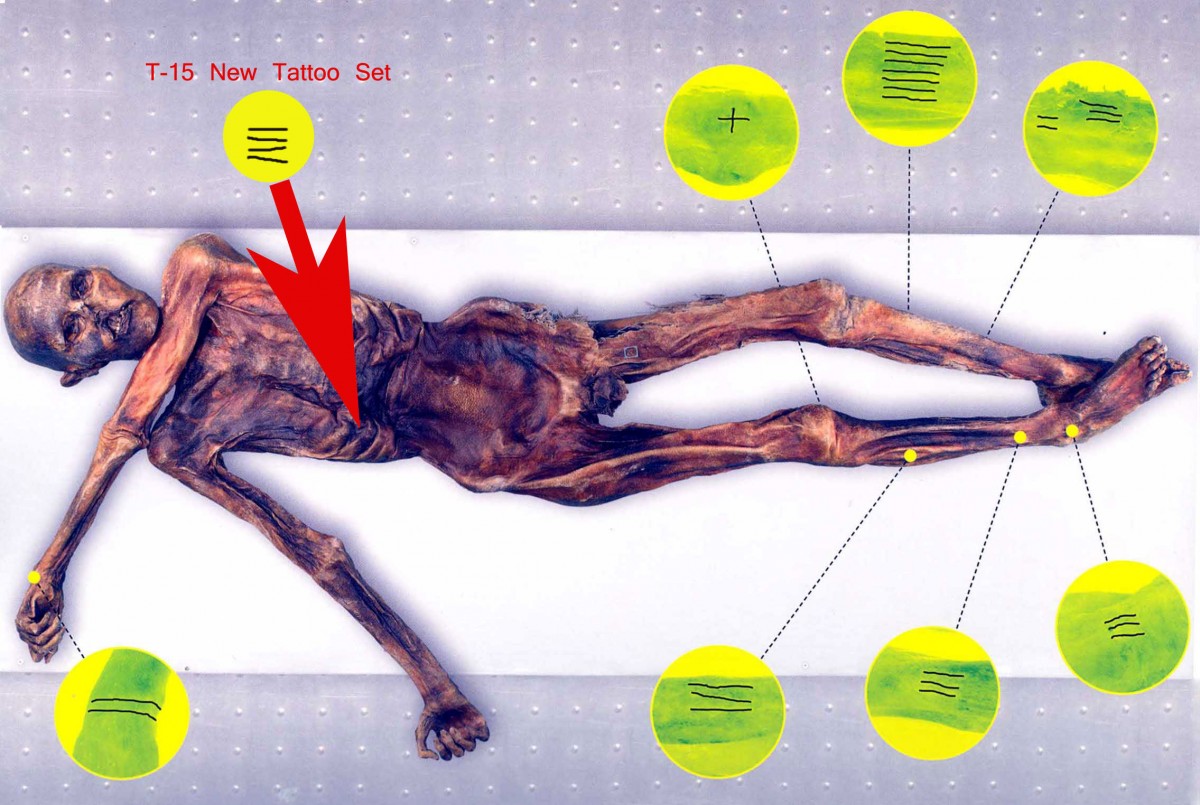
Image source: https://www.archaeology.wiki/blog/2015/01/28/new-tattoos-discovered-oetzi/
A Frozen Time Capsule
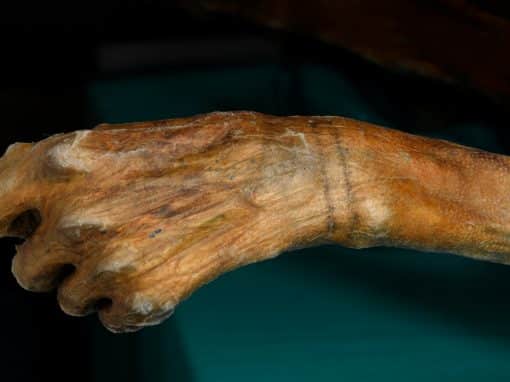
In 1991, hikers in the Alps near the Austrian-Italian border stumbled upon the preserved remains of a man who had died approximately 5,300 years ago. Ötzi the Iceman, as he came to be known, quickly became one of archaeology's greatest treasures — and not just because of his extraordinary preservation. Ötzi bore 61 tattoos across his body: groups of lines and crosses etched into his skin using carbon-based pigment rubbed into small incisions.
Therapeutic Ink
What makes Ötzi's tattoos remarkable is not just their age, but their apparent purpose. The markings were found to correspond closely to traditional acupuncture points, clustered around joints and areas where Ötzi showed evidence of arthritis and joint disease. Many researchers now believe his tattoos were therapeutic rather than decorative — some of the earliest evidence that humans have used body marking as a form of medicine.
Source: National Geographic on Ötzi: https://www.nationalgeographic.com
Ancient Egypt: Tattoos of Priestesses and Power
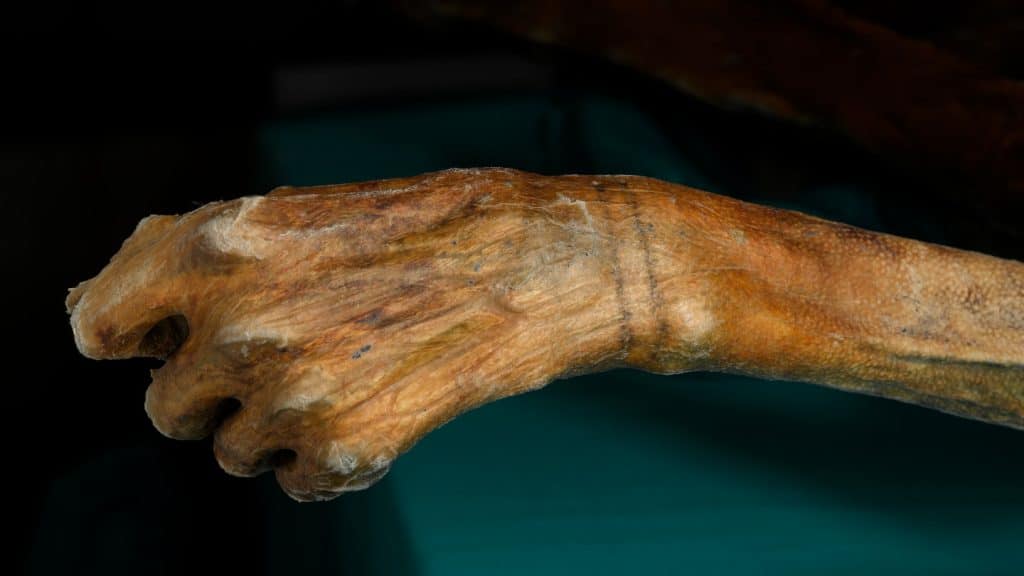
For a long time, it was assumed that tattooing in ancient Egypt was restricted to women of low social standing. That narrative was overturned dramatically in 2018 when a team of researchers re-examined mummies using infrared imaging technology. What they found transformed our understanding: priests, priestesses, and high-status individuals bore elaborate figurative tattoos — baboons, lotus flowers, and images of the deity Bes — across their arms, torsos, and thighs.
Sacred Marks on Sacred Bodies
The Deir el-Medina mummies — workers who built the Valley of the Kings — showed tattoos that appear to have had protective and religious significance. Rather than marking outcasts, Egyptian tattoos marked the devout. This finding pushed evidence of figurative tattooing back to around 3,000 BCE, making it one of the earliest known examples of pictorial body art in the world.
The Pacific: The Oldest Continuous Tradition
Lapita People and the Spread of Tatau
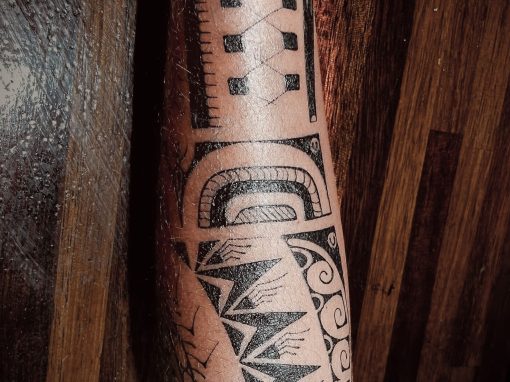
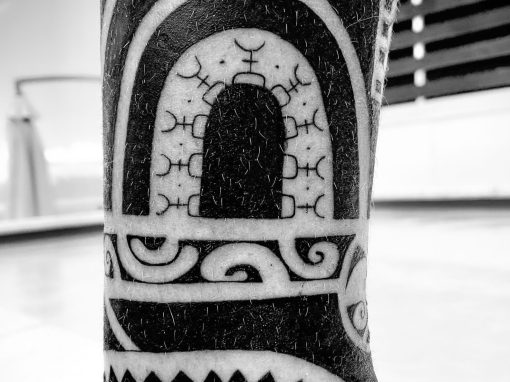
While Ötzi represents the oldest confirmed tattoo on a human body, the Polynesian tattooing tradition may represent the longest unbroken practice of body art in history. Archaeological and linguistic evidence suggests that the ancestors of Polynesian peoples — the Lapita — were tattooing as far back as 3,500 years ago as they migrated across the Pacific. The word tatau became the root of our modern 'tattoo,' and the tradition they carried has influenced body art culture across the globe.
From Samoa to New Zealand
As Lapita descendants settled the islands of the Pacific — Hawaii, Samoa, Tonga, the Marquesas, and eventually New Zealand — they brought their tattooing traditions with them, each island culture developing its own visual dialect while maintaining the underlying spiritual and social grammar. The tā moko of the Māori of New Zealand, the pe'a of Samoa, and the tatau of Tahiti all share common ancestral roots.
Tattoos Across Ancient Civilisations
The Scythians of Central Asia
The Pazyryk Scythians, a nomadic people who roamed the steppes of Central Asia around 500 BCE, were among the most elaborately tattooed people of the ancient world. Frozen mummies discovered in the Altai Mountains of Siberia revealed extraordinary full-body animal art — mythical creatures, stags, and serpents — preserved in stunning detail by permafrost. These tattoos spoke of status, power, and a worldview in which animals and humans existed in a continuous spiritual relationship.
Pre-Columbian Americas
From the Inuit of the Arctic to the Maya of Mesoamerica, indigenous cultures throughout the Americas practised tattooing long before European contact. Mummified remains from Peru and Chile bear tattoos dating back over 2,000 years. In many cultures, these marks signified coming-of-age, protection in battle, or communication with the spirit world.
Japan: Irezumi and the Edo Period
Japan has one of the richest and most complex tattoo histories in the world. Archaeological evidence of tattooing in Japan dates back to the Jōmon period (c. 10,000 BCE–300 BCE), and by the Edo period (1603–1868), the elaborate full-body woodblock-inspired style known as irezumi had developed into a fine art. The fact that irezumi was simultaneously banned and celebrated — associated with both criminality and spiritual protection — only deepened its mystique.
The Universal Language of Ink
What emerges from a survey of global tattoo history is a striking truth: across cultures that had no contact with one another, human beings independently arrived at the same conclusion — that the body is the most intimate and permanent canvas available to us. Whether pressed into the skin of an Alpine hunter, a Pacific navigator, a Central Asian warrior, or an Egyptian priestess, the tattoo has always been a form of communication that transcends spoken language. It is the original universal art form.
Source: Smithsonian, Tattoo History: https://www.smithsonianmag.com/history/tattoos | Journal of Archaeological Science: https://www.sciencedirect.com